
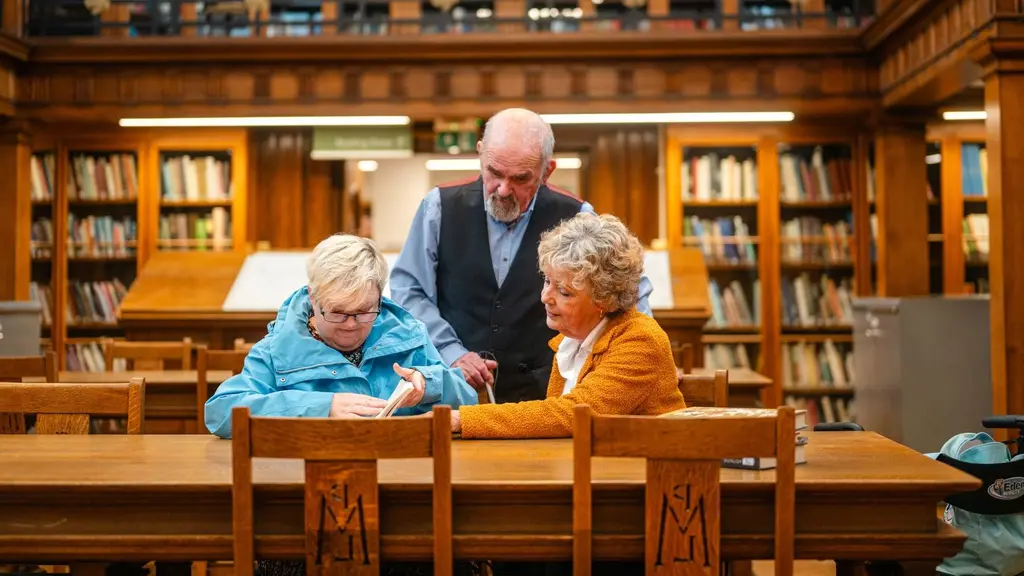
Lifelong learning – The clue is in the name
 03/06/26
Share:




Aaron Revel, Head of Lifelong Learning, Learning and Work Institute, on why age and ageism cannot remain barriers to learning.
At Learning and Work Institute (L&W), we are proud to support Age Without Limits Day and its call to challenge ageism in all its forms. This matters because ageism does not just shape how people are seen in society or at work. It also narrows people’s understanding of when learning should happen, and who it’s for. If we want a fairer, more inclusive society and economy, we need to challenge these assumptions.
The evidence is clear. When adults learn, they thrive. Our society and economy benefit too. Growth, productivity, good work, resilient communities, fuller and richer lives, these are just a few of the paybacks from growing investment and engagement in lifelong learning. Despite this, too many adults are being locked out of learning opportunities, with age the biggest predictor of participation, ahead of other major factors like class and income.
Our 2025 Adult Participation in Learning Survey shows that people are people are 4% less likely to learn in every year of adult life. 26% of people aged 55-64 say they are currently learning or have done so in the last three years, compared to 63% of adults aged 25-34. This is despite longer careers and a faster-changing economy requiring people to learn and gain new skills deeper into their careers. For those of retirement age, engagement in learning is even lower. Just 18% of people aged 65-74 report learning in the last three years. The benefits of learning in reducing loneliness and isolation are well evidenced. With an epidemic of loneliness amongst older adults, this should be a major concern.
As well as being the biggest predictor of learning, age is also the most commonly reported barrier to learning. Nearly one third of people who say they have not engaged in learning in the last three years report feeling “too old to learn” (31%). The older people get, the more likely they are to feel this way.
The imperatives of challenging ageism and boosting lifelong learning are therefore inextricably linked. Without challenging ageist tropes like “you can’t teach an old dog new tricks” and empowering people to see themselves as learners, we will not unlock people’s full potential or deliver the scale or reskilling our economy needs. By equal measure, without investment and backing for lifelong learning from employers, government and others, we cannot enable adults of all ages to engage with education and training that can improve their lives, confidence, and careers.
That is why L&W’s campaign - Get the Nation Learning - enjoys the backing of the Age UK, Open Age, U3A and the Centre for Ageing Better, amongst over 200 other organisations helping us make and win the case the case for lifelong learning. I would strongly encourage you to join the movement.
This year’s Age Without Limits Day encourages us to question ageism and unpick presuppositions in decision making that limit opportunities in work, health, and community life. For those of us who work in education, skills and training, this requires us to ask some important questions. How do we help everyone see themselves as learners? What would it take to create a culture of lifelong learning? How do we ensure lifelong learning lives up to its name?