
About ageism
Ageism is the negative treatment, stereotyping, prejudice and/or discrimination directed toward a person because of their age.
It affects people of all ages but its damaging impact is often felt most strongly as we get older.
Where does ageism show up?
Ageism is often hidden in plain sight, part of everyday conversations, media headlines and content, and our workplaces.
Like any kind of discrimination, ageism can happen in big, obvious ways and in smaller, day-to-day interactions.
Ageism in institutions and society
Institutional ageism is when ageism is embedded in laws, rules, social norms, policies and the practices of institutions.
This could be when an employer screens out older candidates for a job or doesn't offer older workers the same opportunities for training and development at work. It can also be seen in the way that the media content characterises older people based on stereotypes or tends to associate ageing with inevitable decline or vulnerability.
Ageism between people
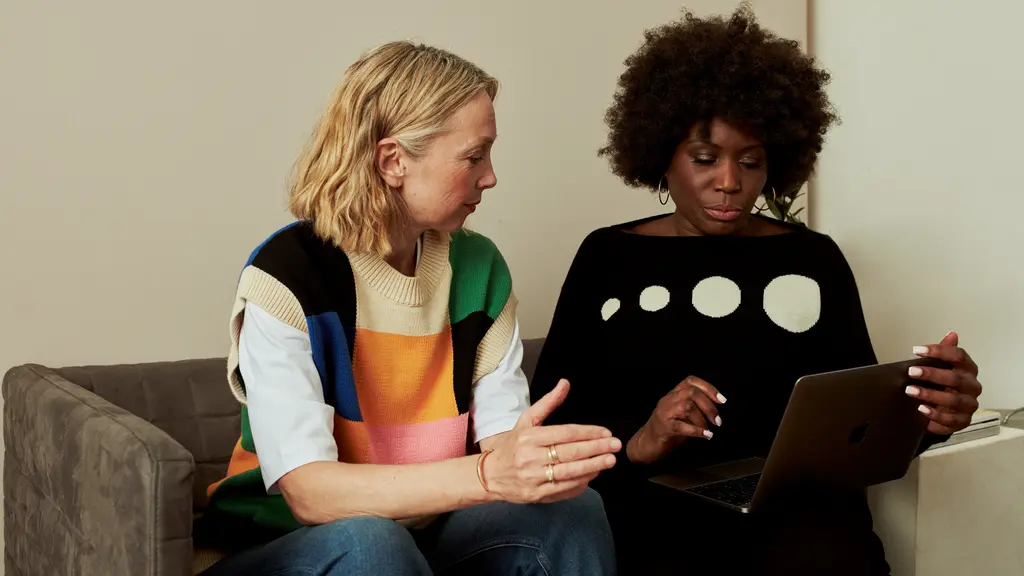
Interpersonal ageism is when ageism shows up in our interactions with others.
For example, the assumptions, based on stereotypes that we’re less capable, less active, or uninterested in certain things based on our age.
Or the dismissive language and behaviours that subtly undermine our autonomy and competence - being spoken to in a patronising way, talked over in conversations, or excluded from decisions that affect us.
These everyday interactions, often framed as well-meaning or protective, can cumulatively erode confidence, dignity, and full participation in social life.
Ageism against ourselves
Self-directed ageism is when we internalises ageism due to repeated exposure to ageist messages and, as a result, changes our own thinking and behaviour.
For example, we might consider ourselves ‘too old’ to socialise with people at work, or to take up a new exercise class. Self-directed ageism can affect the way we perceive ourselves, our self-esteem, and what we think we are capable or worthy of.
“When I was attending a music festival, I got a few stares and nasty remarks from people for just dancing and enjoying myself. This has also happened within my own social circle – some of my peers would question me or try and put me down for not allegedly ‘acting my age’.
Why does it matter?
All forms of ageism are interconnected - institutions reflect societal stereotypes, interpersonal interactions reinforce those stereotypes and then we internalise them and adjust our behaviour accordingly.
Ageism isn’t harmless. It can leave us feeling unimportant, patronised or with low self-confidence. It also means as a society we do not prioritise, nor invest in, ways to help more people experience good health, financial security and be treated fairly and with respect as we grow older.
In the end, ageism matters because it doesn’t just shape how older people are treated – it shapes how we all age. Addressing it improves health, participation, equity, and dignity across the entire life course.
Find out facts & stats about ageism and understand the issue in more depth.
Learn more about ageism
Explore facts on different aspects of ageism to increase your understanding and help you talk about ageism with others.
Help to challenge ageism
Getting older can have its challenges. Being treated negatively because of your age should never be one of them. Let’s make ageing without limits a reality.