Share:




“I like clothes that are edgy and fun, not clothes that make you disappear. But retailers don't market to us. They take our money – we’re a significant demographic of consumers, after all – but they choose not to market to us. What’s the problem?”
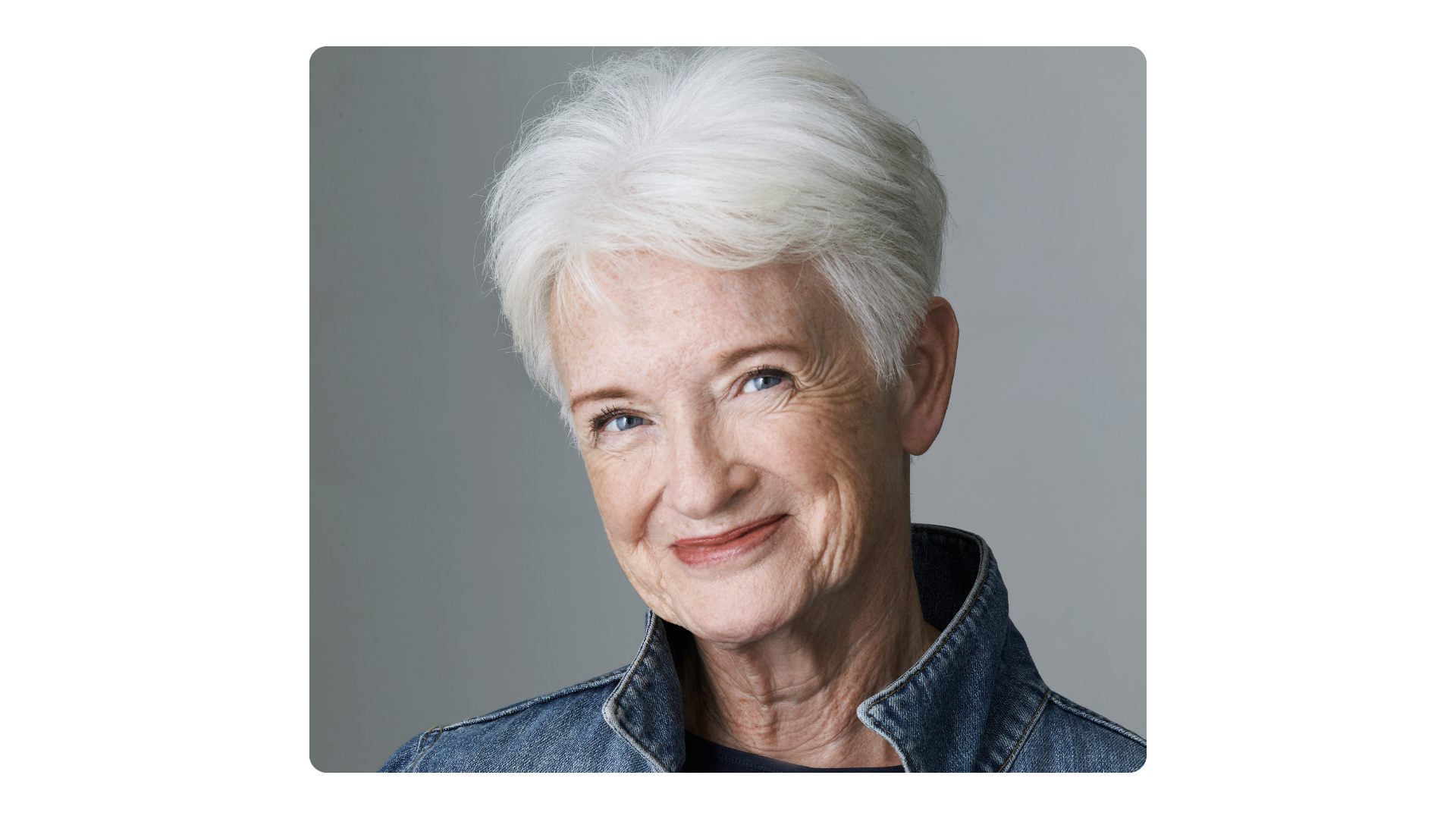
Annie lives in Yorkshire. Her career has been varied and has included working as a teacher of home economics, lecturing, food PR, and work as a food stylist for TV shows, including This Morning.
One of her current passions is challenging ageism, especially in the world of fashion and modelling. Annie took up modelling herself after retiring, which she sees as one way to help break down barriers to older people being better represented.
Annie retired at 67, though she hadn’t really wanted to. She was running her own business, but it became increasingly stressful and after a key member of staff left, she decided to wrap-up the company, leaving her wondering what to do next.
Worried that she’d feel bored, Annie set-up a blog called ‘Time of Your Life’ but when she saw a Facebook ad for older models with no experience needed, she decided to jump at the chance.
“A photographer suggested a modelling project that I could work on, and I gave it a whirl! I’ve always loved clothes and have done a bit of presenting as well, so I was used to working around cameras. And it’s opened lots of opportunities for me.”
Annie sees modelling as a good way to make contacts to help try and affect change.
“I approached York Fashion week and challenged them to include more older or silver haired women in their shows and events. There were lots of big brands involved and it was an opportunity not just about clothes and looking good as you get older, but also about having a safe space and women feeling empowered to make changes in their lives whatever their age.
People often say to me ‘you don’t look your age’, which is ageism itself. Although there has been progress with older models finding work, still women under the age of 45 predominate. But older people need to be heard and represented too. There’s too much evidence of tokenism, and I think that ageism is one of the last ‘isms’ to properly be given the attention it deserves."
“I like clothes that are edgy and fun, not clothes that make you disappear. But retailers don't market to us. They take our money – we are a significant demographic of consumers, after all – but they choose not to market to us. What’s the problem? Is it because the people who work in those professions are often young themselves? Are they frightened of morbidity?
“If you’re a big name like Helen Mirren you’ll be featured in the media and advertising, but ordinary people that age? They’re not seen.
“The beauty industry is equally ageist with lotions and potions all marketed as ‘anti-ageing’ as though to be ageing is to be tainted. Some brands are trying to represent real women and faces more, but it’s nowhere near enough. Older and wiser faces where you see lines and experience can be so beautiful and powerful, yet where are they? It’s a huge swathe of society that isn’t being seen or represented.
“When women over 50 visit the high street, they don’t see their faces represented on store displays or in advertising – people up to 45 years old perhaps, but no more. I don't think marketeers understand (or even try to understand) what makes us tick. Perhaps they are scared to show older people, thinking they’ll see sales figures drop!
“Of course, there’s no doubt that every decade brings different challenges; as you age, physical things come into the equation. And I can’t say I love ageing, because you know where it’s heading! You become more aware of your mortality, but that’s another motivation to quietly live life to the full, keep in touch with the world, and have fun.
“Together with four inspirational midlife friends, we’ve co-founded an event called Midlife Magic. Our mission is to empower older women who may have lost confidence to get out there and do whatever they want to do, regardless of age. These events are a great platform to be able to talk about ageism and challenge stereotypes about what it is to get older and who you can be.”
Read more stories about ageing and ageism