Share:




“They said, ‘I’m sorry but I can’t work with older people’.”
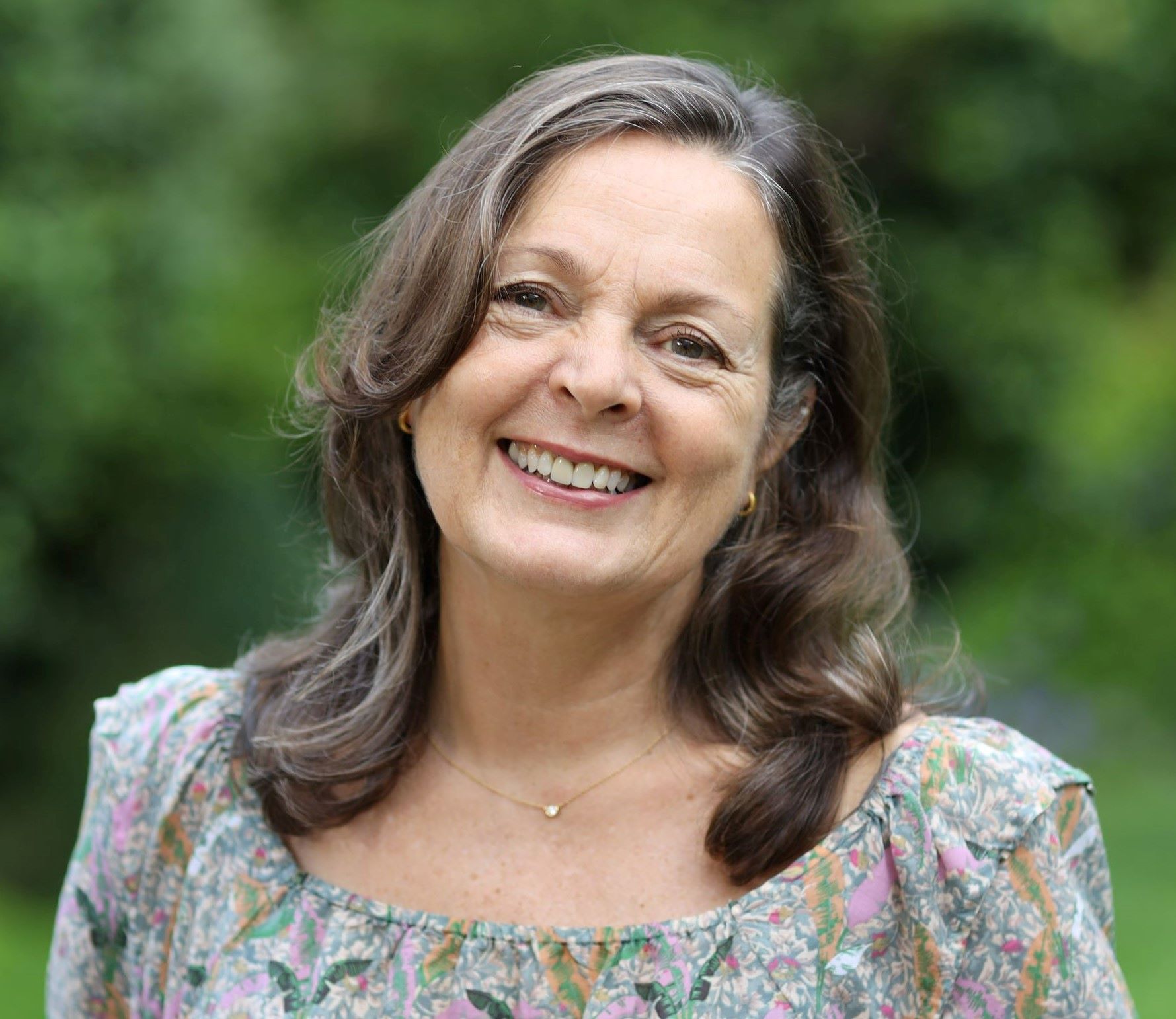
Here Jill talks about rethinking life stages, ageism in the workplace and her fears about getting older.
Jill witnessed what she calls ‘overt ageism’ when she was involved with a small charity.
A highly valued younger volunteer was going to university and needed to be replaced. This would mean training a new person and there was a concern that, as previously, the new volunteer wouldn’t stay very long. So, Jill suggested recruiting an older person.
“I pointed out that they’d come with a wealth of experience, and they’d probably be able to commit to volunteering for longer,” says Jill.
She was staggered by the charity director’s response.
“The director said, ‘I’m sorry but I can’t work with older people.’ And then they made a comment about older people struggling with laptops and not being able to use Excel. I was taken aback. I was the only one who called them out, shocked by the flippant and almost comical way they had said it.”
Jill has also become frustrated by the way older age is categorised into one life stage, saying: “If you Google ‘adult age ranges in questionnaires’, it’s likely you will see 18-24, 25-34, 35-44, 45-54, 55-64 and then - here’s the ageist bit - 65 and over.
“We don’t lump together 25 and 45 because we know that life looks very different at those ages,” says Jill. “It’s just the same when you’re older. When I’m 82, my life’s going to look pretty different to my life at 62.”
And yet, says Jill, “People are just plonked into this great big box once they’re over 65. We really need to reconfigure life stages, particularly wen almost one in five people in England are aged 65 and over.”
When Jill was doing some research into ageing, she says that she had a revelation.
I suddenly realised that over the years, some of my attitudes have been ageist and I’d not even been aware it,” she says. “Yet it is the one ‘ism’ we will all eventually become part of. I think of the things I’ve said: a classic is something I heard from my mother, ‘mutton dressed as lamb’ and now I’ll say to my daughters, ‘Am I too old for this?’.
Jill believes that sexism on top of ageism can make this a hard time to navigate as a woman.
“Over the last few years, since I’ve got more grey hair, I’m aware of people talking down to me, assuming I don’t understand things,” says Jill. “I get called ‘sweetie’ or ‘my lovely’. I don’t think men my age are patronised in the same way. In fact, language around men ageing is often more positive. Their grey hair makes them a ‘silver fox’ but, for many women, it means a trip to the hairdressers every six weeks.”
Turning 60 was a milestone for Jill - and it wasn’t helped by her own earlier attitudes towards ageing.
“I suddenly felt I didn’t have much time left and I feared I’d lost part of who I was. I realised that if I see getting older as a negative thing, that’s going to affect how I feel and interact. We need to understand what we can do to develop a more positive attitude towards ageing.”