

In media and culture
Ageism is often perpetuated by what we see and hear in culture.
Although age is a protected characteristic under the Equality Act 2010, older people continue to be routinely underrepresented, negatively portrayed, and depicted through harmful stereotypes across mass media.
Print media
Our research shows that representation of older people in the press is overwhelmingly negative and highly reliant on stereotypes.
Articles frequently pit older people against younger generations and use dehumanising and divisive terms such as ‘bed blockers’, ‘boomers’ and ‘grannies’. Women face a ‘double jeopardy’ in media reporting, experiencing both sexism and ageism.
What can I do?
The Editors’ Code of Practice sets standards for UK newspapers and magazines to avoid discrimination - yet it doesn’t include age.
- Contact the UK press regulator asking them to include age in its rules around avoiding discrimination.
- Use our age-inclusive comms guide to reject age stereotypes and write about older people in an authentic and inclusive way. These tips will help you to create content that is engaging and appealing to all ages.
Advertising
Research shows the UK public feels older people are more likely than any other group to be stereotyped in advertising. Yet, despite over 50s driving over half of all consumer spending, older people don't see themselves represented.
Older voices are also dramatically underrepresented in creative agencies - who create the advertising we see – with just 8% of ad agency employees over the age of 51, compared to 33% of over 50s in the working population.
What can I do?
88% of over-55’s say they feel unhappy about the way advertising treats them. Portraying ageing differently offers a commercial opportunity for brands to stand out and connect meaningfully with a fast-growing audience, as well as helping challenge ageist stereotypes in the process.
- If you have seen advertising that is ageist, you can submit a complaint to the Advertising Standards Authority.
- Use our simple and actionable one-page guide for representing ageing and older people authentically in creative work.
If you work in the media and creative industries and would like to collaborate on raising awareness of ageism, please do get in touch.
Imagery
Much of the imagery used in newspapers and advertising commonly reinforces negative stereotypes and misconceptions about ageing and older people.
The stock images that we regularly see in news publications tend to be inherently negative, focusing on sad or vulnerable older people in need of help, and risks feeding into negative stereotypes of ageing and older people in wider society.
What can I do?
An alternative to stereotypical photos of later life is at hand. And it is free. We're urging journalists and picture desks to consider their choices when selecting images depicting older people for their articles.
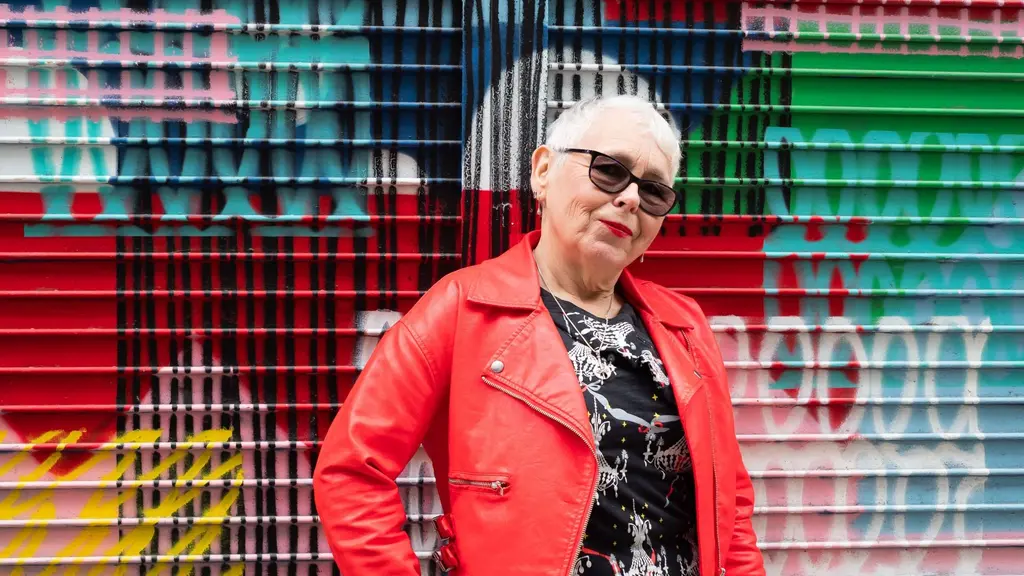
- Use our age-positive image library to find images to accompany your article. We have photos of older people at work, with family, in their homes, in their communities. The library is regularly updated and offers journalists a wide selection of images, copyright free.
Film and TV
The number of older characters on our screens does not reflect the age profile of the population. Around one in three adult characters are aged 50 years or over, despite this age group comprising half of UK adults.
Only 1 in 10 characters aged 50 or older who featured in a British film in 2023 had a major role. And female characters aged 65 years and over remain more than three times less likely than men of the same age to be featured in British films over the last decade.
What can I do?
We are working with industry stakeholders to improve awareness of ageism in film and TV.
- If you have seen ageist content on TV, you can submit a complaint to the regulator.
- If you work in the Film and TV industry and would like to speak to us about raising awareness of ageism, please get in touch.
Representing ageing and older people in the creative industries
A 2025 study from the Advertising Standards Authority found that the UK public feels that older people are more likely than other groups to be stereotyped in advertising. We developed guidelines to ensure that people of all ages are represented authentically, for the benefit of us all as we grow older.

Why do newspapers condescend, patronise and misrepresent older people?
Our Chief Executive, Dr Carole Easton OBE, analyses some of the worst headlines and looks at why newspapers produce such ageist content.